Carpools are one of the most practical arrangements modern parents can make. Share the driving, cut your fuel costs, give your kids time with friends, and reclaim some sanity. It sounds like pure upside — and it is, until someone breaks the unwritten rules.
The problem is that nobody writes them down. They're assumed. And assumptions are where carpool relationships quietly fall apart. This article writes them down.

Rule 1: On Time Is Actually Five Minutes Early
Carpool punctuality operates on different standards than social punctuality. If you're five minutes late to a dinner party, you're basically early. If you're five minutes late to carpool pickup, you've potentially made someone miss the school bell.
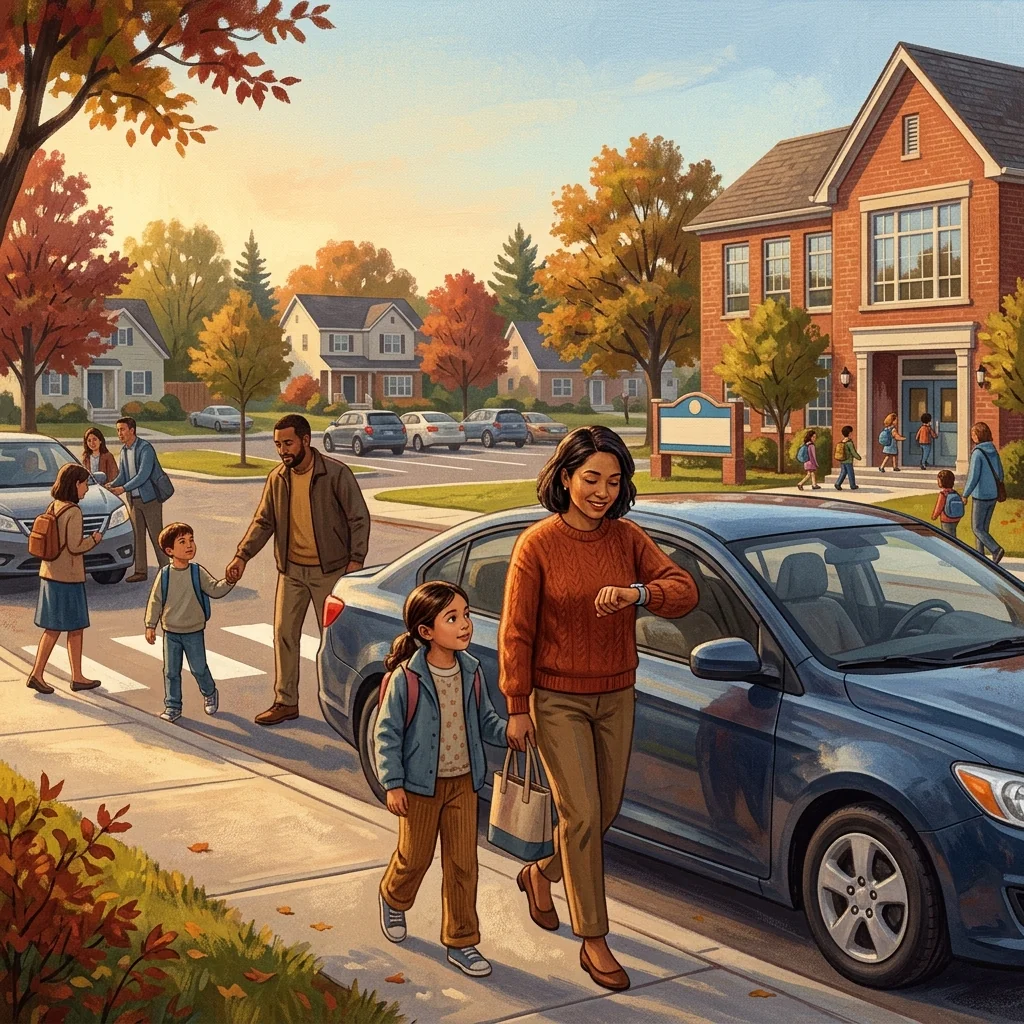
Carpool time means ready time. When your pickup window is 7:45 AM, that means your child is dressed, fed, backpack zipped, and standing near the door at 7:40. Not still eating cereal.
For drivers: pull up at the agreed time. If you're running late, send a message as soon as you know — not at the moment you were supposed to arrive.
For passengers: have your child ready and visible before the driver reaches your address. Every 90 seconds of waiting compounds across a multi-stop route.
Rule 2: Communicate Changes as Early as Humanly Possible
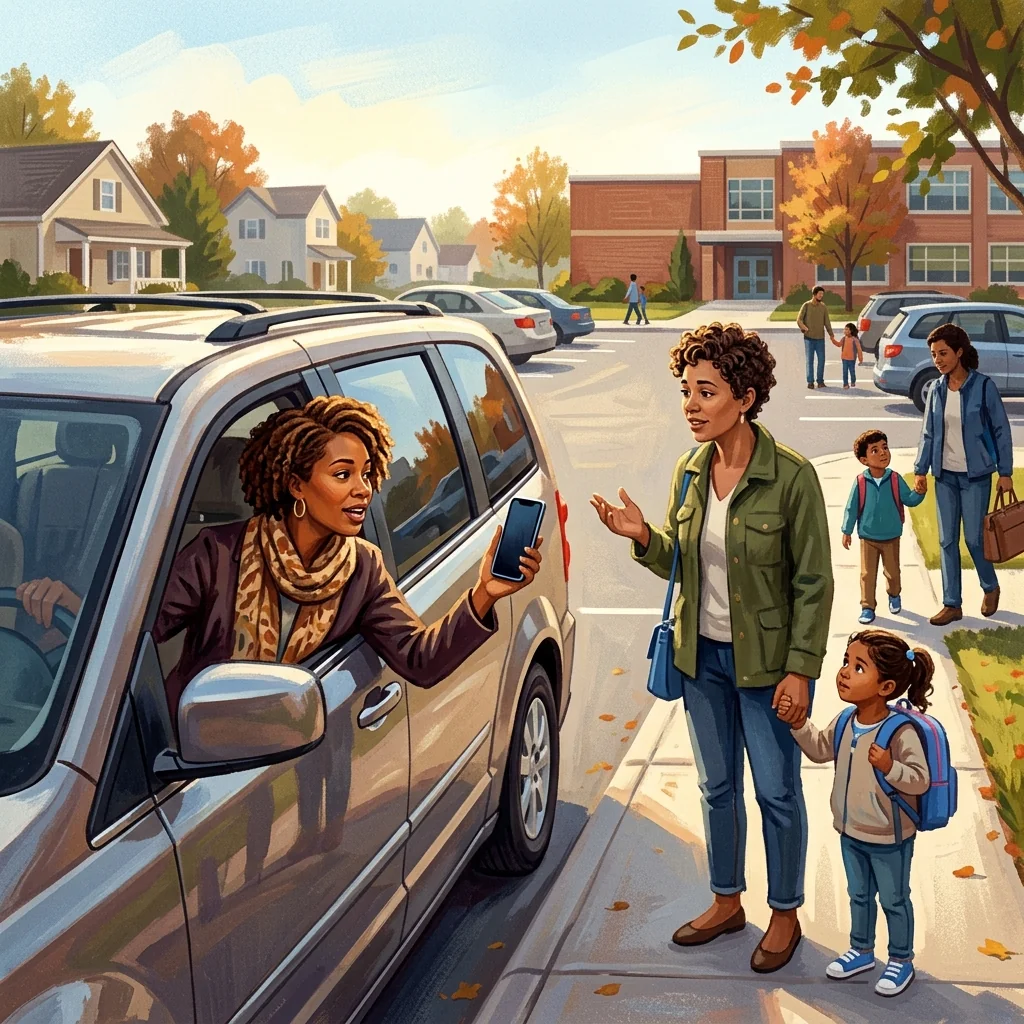
Life happens. Kids get sick. Work emergencies arise. No reasonable parent expects perfection. What reasonable parents expect is notice — the earlier, the better.
The 24-hour principle: any change that affects other drivers should be communicated at least 24 hours in advance whenever possible. For truly unavoidable emergencies, everyone understands. The goodwill runs out when last-minute messages become a pattern.
Rule 3: Don't Overload the Car
Every child in a carpool vehicle should have a proper seatbelt. Children who require car seats or boosters should have the correct restraint. This is the law in every state and non-negotiable from a safety standpoint.
If a parent asks you to take one more kid than your vehicle safely seats, say no. "I don't have a safe seat for an extra passenger" is a complete sentence.
Rule 4: Say Thank You — Often and Specifically
Driving is work. It consumes time, fuel, patience, and attention. "Thank you for driving today" takes five seconds and makes the driver feel seen in a way that keeps them enthusiastic about the arrangement.
Periodically — a few times a year — consider something more tangible. A coffee gift card, a handwritten note from your child, a batch of cookies. These aren't obligations, but they convert a practical arrangement into genuine community.
Rule 5: Handle Behavior Problems Through Parents, Not in the Car
When driving other people's children, you have the right to set basic behavioral expectations. "Please keep your hands to yourself" is appropriate. A lecture or raised voice is not.
If a child behaves problematically, handle the immediate safety issue, then talk to the parents privately. This preserves the child's dignity and respects the parent's authority.
Rule 6: Leave the Car the Way You Found It
Children should exit with everything they brought in. No wrappers in seat pockets, no muddy footprints if avoidable. If your child makes a mess, own it and offer to help clean.
On snacks: ask about the driver's policy before the first ride and honor it. It's their car.
Rule 7: Share the Load Honestly and Equally
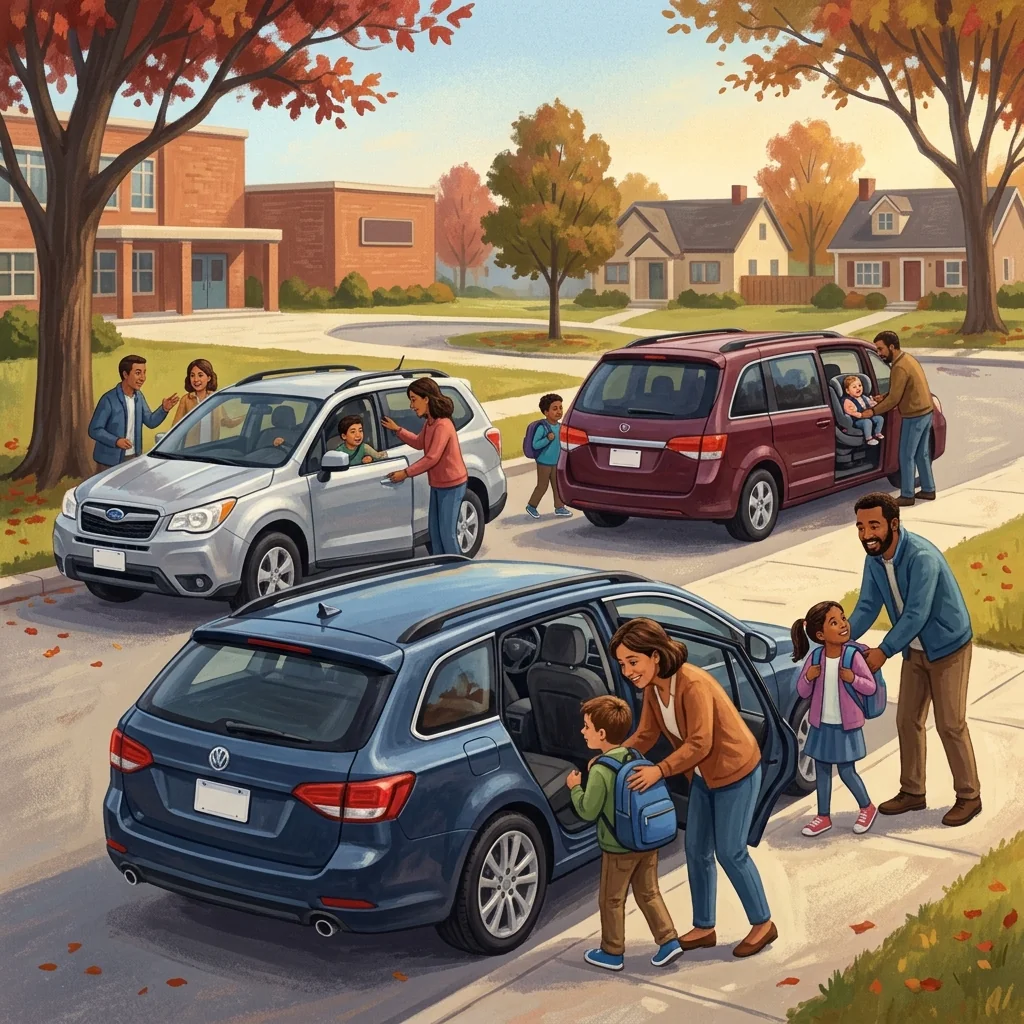
Carpool works because it's shared labor. If one or two parents drive significantly more, resentment builds — quietly at first, then loudly enough to end the arrangement.
Be explicit about the rotation. Use a shared schedule or carpool app rather than leaving it in someone's memory. If circumstances change, renegotiate openly rather than quietly opting out.
Frequently Asked Questions
What if one parent consistently breaks the etiquette rules?
Address it directly and privately, as early as possible. Start with a kind, specific conversation. Most etiquette problems aren't malicious — they're just unawareness.How do we handle sick kids during cold and flu season?
If a child has a fever or is actively sick, they should not be in the carpool. A good rule: "If your kid can't go to school, let the group know by 7 AM."How many families is too many for a carpool?
Three to five is the sweet spot. Below three, any absence leaves no backup. Above six, coordination complexity outweighs the benefit.What's the best way to set expectations at the start?
A brief shared document covering pickup times, rotation, swap process, snack rules, and emergency contacts. Takes 20 minutes and prevents a year of friction.Good Carpools Don't Happen by Accident
The best carpool groups are the ones where everyone understands and takes seriously the implicit contract — show up, communicate, share the work, and treat other families with consideration.
Carpool-Q at carpoolq.com handles the scheduling, reminders, and swap requests so you can focus on the relationship side — which is the part that actually matters.